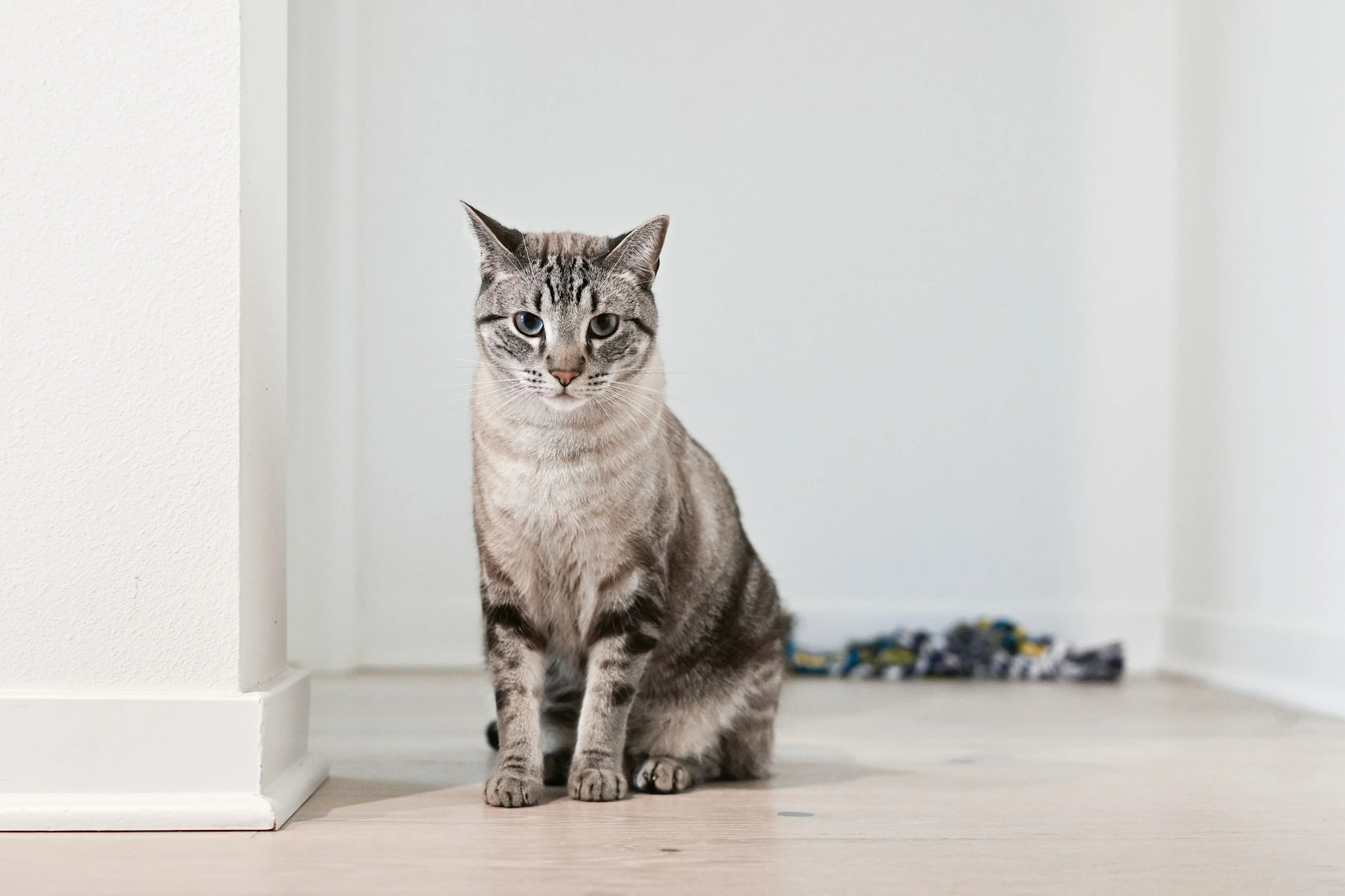



Has your sweet kitty suddenly turned into a tiny, sharp-clawed ninja? At Montecito Animal Clinic, your trusted Martinez, CA veterinary clinic, we often hear concerned pet owners ask about cat aggression and what might be causing it. It can feel confusing and even a little alarming when your feline friend starts hissing, swatting, or biting out of nowhere.
Understanding cat aggression is the first step toward helping your feline companion feel safe and balanced again. There are many reasons cats become aggressive, and most stem from fear, stress, or discomfort rather than bad behavior. In this guide, we will walk through common signs of aggressive cat behavior, explore potential causes, and share practical tips for calming an aggressive cat while addressing underlying behavioral issues.
What Is Cat Aggression?
Aggression in cats is a normal reaction to certain things. Your cat is not being “mean.” They are showing that they feel uncomfortable, scared, or frustrated.
Cats use body language and behavior to express how they feel. When those signals are missed or misunderstood, they may escalate to more obvious actions, such as hissing or swatting.
We often remind pet owners that noticing early signs can help stop more serious behavior problems before they start.
Aggressive Cat Behavior Signs to Watch For
Recognizing aggressive cat behavior early can help you intervene before it escalates. Cats often give subtle warnings before becoming fully aggressive.
Body Language Changes
Fluffy might flatten their ears, puff up their fur, or flick their tail quickly. These are clear signs your furry friend feels uneasy.
Vocalizations
Hissing, growling, or low sounds usually mean your feline buddy feels threatened or defensive.
Swatting or Biting
Your cat may swat or bite if they feel trapped or overstimulated. This is their way of asking for space.
Avoidance or Sudden Withdrawal
Sometimes, cats avoid people or hide before showing aggression. This can be a warning sign before stronger reactions.
Knowing these signs helps you respond appropriately and avoid causing more stress.
Why Cats Become Aggressive
Cats can become aggressive for many reasons, so finding the cause is important for solving the problem.
Fear or Anxiety
Fear is a common trigger. Your cat may act aggressively if they feel threatened or unsure.
New places, strangers, or loud noises can all make Fluffy anxious.
Overstimulation
Sometimes, your cat may like attention but get overstimulated after a while. This can cause sudden swatting or biting during petting.
Knowing your cat’s limits can help prevent these reactions.
Pain or Medical Issues
Pain can also cause behavior problems. If your furry friend is uncomfortable, they may act aggressively when touched.
We often suggest a checkup if your cat becomes aggressive suddenly or for no clear reason.
Territorial Behavior
Cats often protect their space. Bringing in new pets or making changes at home can cause defensive behavior.
your feline buddy may feel the need to take control of their surroundings.
How to Calm an Aggressive Cat
Learning how to calm an aggressive cat involves patience, observation, and understanding your cat’s needs.
Before correcting behavior, try to find out what is causing the aggression. Removing or reducing the trigger can make a big difference.
Give Fluffy Space
If your cat shows signs of aggression, give them space to calm down. Trying to force interaction can make things worse.
Create a Safe Environment
Giving your cat a quiet, safe space helps them feel more in control. This can lower stress and prevent aggression.
Use Gentle, Positive Interaction
Approach your cat calmly and avoid quick movements. Positive experiences can help rebuild trust over time.
Establish a Routine
Cats do best with a routine. Try to feed, play, and interact with your cat at the same time each day to help reduce anxiety.
These strategies can help calm anxious cats at home and reduce aggression over time.
Preventing Future Cat Behavior Problems
Preventing behavior problems starts with understanding your cat’s needs. A balanced environment supports their physical and emotional health.
Regular playtime helps your feline buddy use up energy and feel less frustrated. Interactive toys and activities keep them interested and active.
Providing Fluffy with vertical spaces, such as cat trees or shelves, can help them feel safer.
Regular vet visits are important, too. Your clinic can help find any health problems that might be causing aggression.
When to See a Veterinarian
If your furry friend’s aggression happens often, is severe, or starts suddenly, talk to your veterinarian. Sometimes, medical issues are the cause.
Your vet can check your cat and suggest what to do next. This might include behavior tips or more tests.
Getting help early can make a big difference in managing aggression and improving your cat’s life.
The ASPCA has an article on cat aggression that you can read here. You can also read more about kitty aggression at PetMD here.
Frequently Asked Questions About Cat Aggression
Why is my cat suddenly aggressive?
Sudden cat aggression can be caused by fear, stress, pain, or environmental changes. Identifying the trigger is key to addressing the behavior.
What are the signs of an aggressive cat?
Signs of aggression in cats include hissing, swatting, biting, and changes in body language, such as flattened ears or a flicking tail.
How can I calm an aggressive cat?
To calm an aggressive cat, give them space, lower stress, and use gentle, positive interactions. Don’t force contact if your cat feels threatened.
Should I take my cat to the vet for aggression?
Yes, if you’re not sure why your cat is aggressive or if the behavior is serious, it’s best to visit your vet.
Visit Our Martinez, CA Veterinary Clinic for Cat Behavior Support
Managing cat aggression can feel challenging, but you are not alone. At Montecito Animal Clinic in Martinez, CA, our experienced veterinarians are here to help you understand your feline companion and address behavior concerns. If you have been searching for a vet near me, our team is ready to support you.
Call today to schedule an appointment and get expert guidance on calming an aggressive cat and improving your pet’s well-being. Your trusted veterinary clinic is here to support you and your feline friend every step of the way.
This blog is for informational purposes only. Always consult with your veterinarian for medical advice, diagnosis, or treatment for your pet and follow their professional recommendations.
Do you want to learn more about our Montecito, CA vet clinic? Visit our main Services page here for an overview of the services we offer. You can also learn more about our Wellness and Vaccinations options here or our Pet Dentistry offerings here.