

Have you noticed those dry, spiky grass seeds sticking to your furry friend after a walk? At Montecito Animal Clinic, your trusted Martinez, CA veterinary clinic, we frequently treat foxtail-related issues in dogs and cats, especially during the warmer months. These small plants may look harmless, but they can pose serious risks to your pet’s health if left unchecked.
Understanding foxtails and the dangers they pose to dogs and cats is essential for prevention and early detection. These barbed seeds can easily attach to your pet’s fur and burrow into the skin, ears, nose, or paws. In this guide, we will explore common foxtail symptoms in dogs, discuss foxtail dangers for cats, explain how to prevent foxtails, and help you know when to seek care from a foxtail removal vet.
What Are Foxtails and Why Are They Dangerous?
Foxtails are grass seeds often found in dry, grassy places, especially around Martinez, CA. Their sharp, barbed shape lets them stick to fur and slowly move deeper into your pet’s body.
Once a foxtail latches on, it’s not likely to let go by itself. These little troublemakers can poke right through the skin or sneak into noses, ears, or even eyes, which is why they’re a real concern for both dogs and cats.
We see it all the time at the clinic—a tiny foxtail causing a big problem, like irritation or infection. The sooner you spot it, the easier it is to keep things from getting out of hand.
Foxtail Symptoms in Dogs
Knowing what to look for can help you jump into action and keep your pup safe. Dogs are especially at risk, since they love to stick their noses into, well, everything.
Keep an eye out for sudden sneezing fits—sometimes that’s a sign a foxtail has made its way into Fido’s nose. If your pup is shaking their head or scratching at their ears more than usual, a foxtail could be the culprit there, too.
If a foxtail sneaks into the skin, you might notice your furry friend limping or licking at a paw like it’s their new favorite hobby. Swelling, redness, or wounds that are a little draining are also red flags.
If you spot any of these signs after outdoor adventures, a foxtail might be to blame.
Foxtail Dangers for Cats
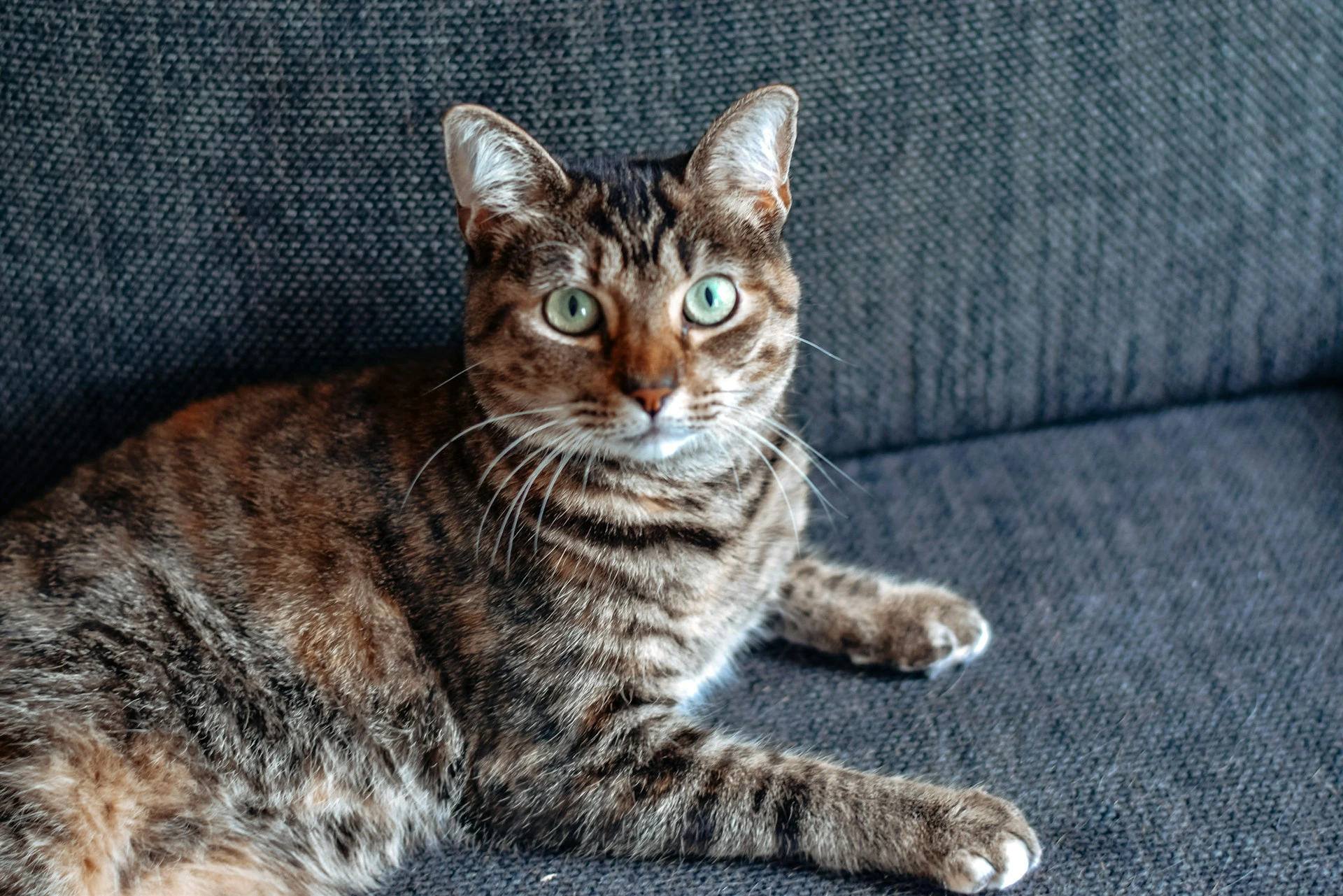
Even if your kitty isn’t a full-time explorer, foxtails can still cause trouble—especially for those cats who like to split their time between the great outdoors and your couch.
Foxtails can hitch a ride in your cat’s fur and work their way into the skin. Because cats are such dedicated groomers, they sometimes push the seed in even deeper while trying to clean themselves.
Watch for signs like over-the-top grooming, swelling, or tenderness in one spot. If your usually social kitty is suddenly acting grumpy or hiding out, discomfort from a foxtail could be the reason.
Even indoor cats aren’t totally safe—foxtails can sneak inside on your shoes, clothes, or even hitch a ride on another pet.
Where Foxtails Commonly Get Stuck
Foxtails have a knack for finding the trickiest spots on your pet’s body to hide out or get stuck.
Paws and Between Toes
Your dog’s paws are prime real estate for foxtails. They love to slip between the toes and burrow under the skin, causing all sorts of irritation.
Ears
Foxtails can get into the ear canal, making your pet shake their head, scratch, and feel uncomfortable. If left untreated, this can become a bigger problem.
Nose
If a foxtail is inhaled, your pet may suddenly start sneezing a lot. This is serious and usually needs a vet’s help.
Skin and Coat
Foxtails can stick to your pet’s fur and slowly move into the skin, causing small wounds or infections.
Foxtails can also penetrate the skin and reach internal organs. As one can imagine, this is extremely dangerous.
How to Prevent Foxtails
Learning how to prevent foxtails helps keep your pet safe. It all starts with being aware and regularly checking your pet.
Before you and your pet head out for a romp in the grass, take a quick look around. Dry fields and overgrown patches are foxtail hotspots.
After being outside, check your dog or cat closely. Look between their toes, under the tail, around the ears, and through their fur. Removing foxtails early can stop them from getting stuck.
Keeping your pet’s coat neat can help keep foxtails from hiding out. Shorter fur makes it much easier to spot and remove any sneaky seeds.
Keeping your yard tidy and removing foxtails from your outdoor space also lowers the risk for your pets.
When to See a Foxtail Removal Vet
Sometimes, foxtails get stuck in hard-to-reach or hard-to-remove places at home. That’s when you should see a vet for help.
If your dog or cat seems uncomfortable, swollen, or has an infection, call your vet. Trying to remove a deeply stuck foxtail at home can sometimes make things worse.
Here at Montecito Animal Clinic, we’ve got the right tools and know-how to find and safely remove foxtails, all while keeping your pet as comfortable as possible.
What Happens During Foxtail Removal
When you bring your pet in for foxtail removal, the vet will first check the area. Sometimes, they’ll use special tools to find the seed if needed.
Depending on the location, your pet may need to be gently held or sedated so the vet can remove it safely. The main goal is to get the foxtail out and prevent any problems. Guide aftercare and monitor healing. Prompt treatment helps your furry friend recover more comfortably.
PetMD has a helpful article about foxtail grasses here. WebMD also discusses foxtails in this piece.
Frequently Asked Questions About Foxtails
What are foxtails, and why are they dangerous?
Foxtails are barbed grass seeds that can attach to your pet’s fur and work into the body. Foxtails in dogs and cats can cause irritation, infection, and more serious complications if not removed.
How do I know if my dog has a foxtail?
Dogs with foxtails may sneeze, limp, shake their head, or lick a lot. These signs usually show up after being outside.
Are foxtails dangerous for indoor cats?
Yes, foxtail dangers for cats can still exist indoors if seeds are brought into the home. Cats may groom the area, pushing the foxtail deeper into the skin.
Can I remove a foxtail at home?
If you can see the foxtail and it’s easy to reach, you might be able to gently remove it. But if it’s stuck or causing problems, it’s best to see a vet.
Visit Our Martinez, CA Veterinary Clinic for Foxtail Care
Protecting your pet from foxtails in dogs and cats is an important part of keeping them safe and comfortable. At Montecito Animal Clinic in Martinez, CA, our experienced veterinarians are here to help with prevention, diagnosis, and treatment. If you have been searching for a vet near me, our team is ready to provide the care your furry friend needs.
Call today to schedule an appointment if you suspect a foxtail issue or want guidance on how to prevent foxtails. Your trusted veterinary clinic is here to support you and your pet every step of the way.
This blog is intended for informational purposes only. Always consult with your veterinarian for the right medical advice, diagnosis, or treatment plan for your pet and follow their professional recommendations.
Do you want to learn more about our Montecito, CA vet clinic? Visit our main Services page here for an overview of the services we offer. You can also learn more about our Wellness and Vaccinations options here or our Pet Dentistry offerings here.