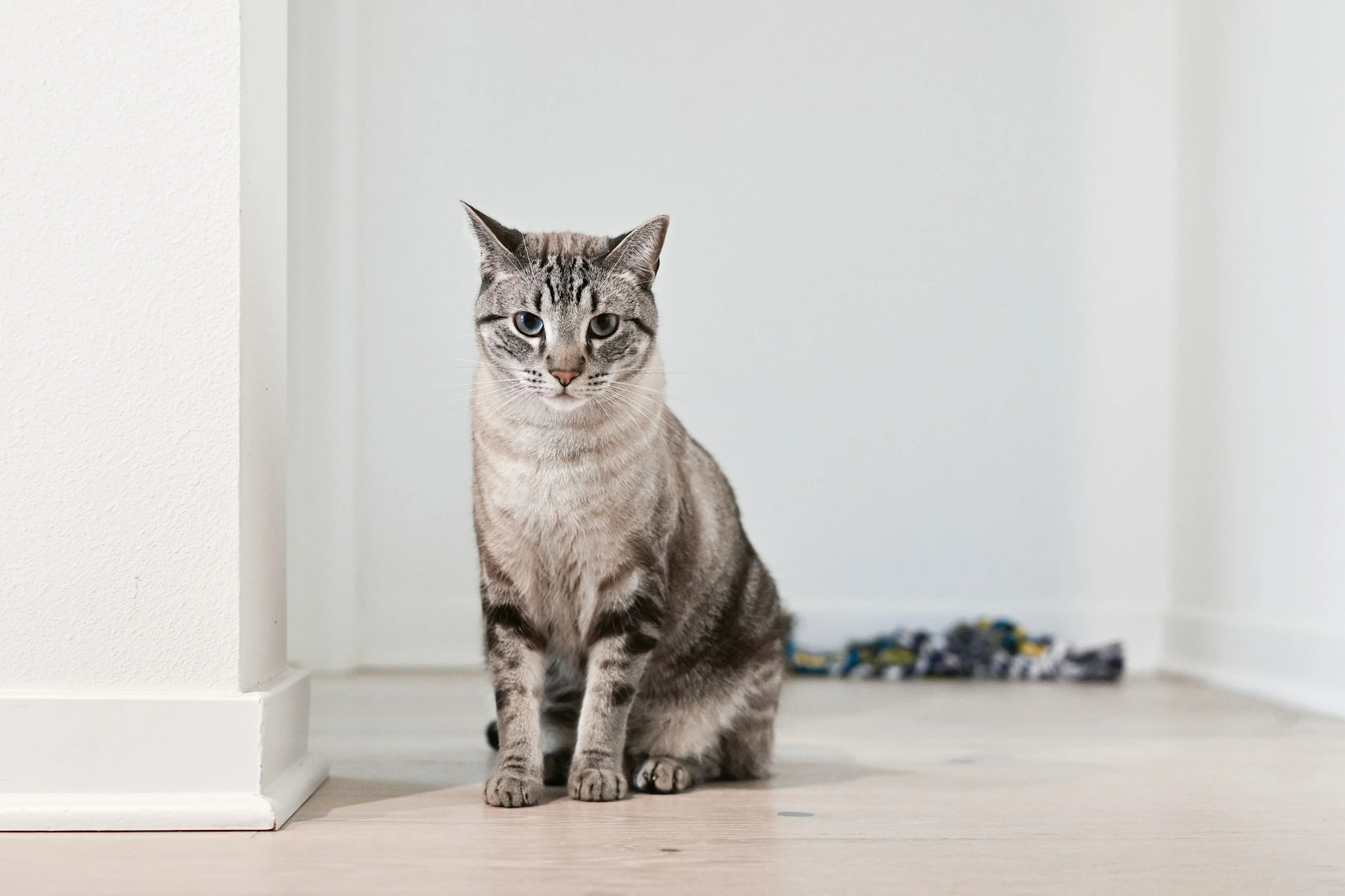


Has your feline friend suddenly disappeared under the bed or tucked themselves away in a closet, leaving you wondering what changed? At Montecito Animal Clinic, your trusted Martinez, CA veterinary clinic, one of the most common questions we hear is, “Why is my cat hiding?” While hiding is a natural behavior for cats, sudden or frequent changes can sometimes signal something more.
If your feline companion is hiding all the time, it is important to understand the possible causes. Some reasons are completely normal, while others may point to stress, illness, or environmental changes. In this guide, we will explore the most common reasons cats hide suddenly, how to recognize cat stress behavior signs, and when to worry about cat hiding so you can support your furry friend with confidence.
Why Do Cats Hide in the First Place?
Cats are natural observers, and hiding is part of their instinctive behavior. In the wild, hiding helps them stay safe from predators and gives them a quiet place to rest.
Even indoor cats still have these instincts. Hiding helps them feel safe, control their surroundings, or just enjoy some quiet time. But if your feline friend starts hiding more often or suddenly, it’s a good idea to pay attention.
Knowing when hiding is normal and when it’s a problem can help keep your cat happy and healthy.
Normal Reasons Your Cat May Be Hiding
Not all hiding means something is wrong. Often, Fluffy is just acting on instinct.
Cats enjoy cozy, enclosed spots. Your cat might hide in a quiet place when they want to relax or nap without being disturbed.
This happens a lot in busy homes. If a lot is going on, your cat may find a quiet spot to rest and recharge.
Adjusting to New Environments
If you’ve just moved or rearranged your furniture, your feline friend might hide as it gets used to the new setup. Even small changes can feel big to them.
Your cat may need some time to explore and feel comfortable again. Hiding during this time helps them feel safe.
Responding to Loud Noises or Visitors
Loud noises, visitors, or anything unfamiliar can make your cat hide. This is a normal way for them to deal with stress.
When things calm down, most cats go back to their normal routines.
When Cat Hiding Behavior May Be a Concern
It’s normal for cats to hide sometimes, but if it happens more often, it could mean something else is going on. If you notice Fluffy hiding more, try to look at the whole situation.
Changes in Routine or Behavior
If your cat suddenly starts hiding more, it could be a sign of stress. Cats like routine, and changes can make them anxious.
Watch for changes in your cat’s eating, grooming, or interactions with you. These signs can help you understand what your feline friend is feeling.
Illness or Pain
Cats are experts at hiding when they don’t feel well. If your cat is sick or in pain, they might go to a quiet place to be alone.
Look out for signs such as eating less, feeling tired, or changes in bathroom habits. If your cat is hiding and has these symptoms, it’s a good idea to call your vet.
Environmental Stress
Stress is a common reason for sudden hiding. New pets, new people, or even a schedule change can affect your cat.
Your cat may hide to cope with stress. If this keeps happening, it can turn into ongoing anxiety if not managed.
Cat Stress Behavior Signs to Watch For
Spotting stress early can help you support Fluffy before things get worse. Cats often show small signs when they’re not comfortable.
Common signs of stress in cats include eating less, grooming too much, or avoiding people. You might also notice changes in how much they meow or how often they use the litter box.
In addition, your feline companion may become more withdrawn or start hiding all the time. These behaviors are your cat’s way of communicating that something is not quite right.
PetMD has an article on feline anxiety here. Austin’s Pets Alive has a helpful article on helping a scaredy cat settle in on their website here.
What to Do If Your Cat Is Hiding
If your cat is hiding more than usual, pay attention.
Begin by watching your cat’s behavior closely. Try to spot any patterns or things that might be causing the change. Knowing why your feline friend is hiding can help you decide what to do next.
Set up a safe, quiet spot where your cat can go when they need a break. Make sure it’s a place where they feel secure and won’t be bothered.
Try to maintain a consistent routine. Keep your routine as consistent as possible. Feed, play with, and spend time with Fluffy at the same time each day to help them feel comfortable. and out of hiding. Instead, allow them to come out on their own terms. Gentle encouragement and patience go a long way.
When to Worry About Cat Hiding
How do you know if hiding is a problem?
If your cat is hiding more frequently and showing other changes, it may be time to take action. When considering when to worry about cat hiding, pay attention to the overall pattern.
If your cat stops eating, is less active, or avoids people for a long time, you should talk to your vet. These signs could mean there’s a health problem.
How long is too long for a cat to hide?
If your cat hides for more than a day or two and doesn’t go back to normal, it’s a good idea to check with your vet. Ongoing hiding isn’t typical and should be looked at.
Can stress cause cats to hide?
Yes, stress is a main reason cats hide. Changes in their environment, routine, or who’s around can all play a part. Helping your cat feel safe by reducing stress can make a big difference.
Should I bring my cat to the vet for hiding?
If you’re not sure why your feline friend is hiding, or if they have other symptoms, it’s a good idea to visit your vet. Your veterinarian can check for health issues and give you advice.
Helping Your Cat Feel Safe and Secure
Helping your cat starts with understanding what they need. Cats do best in places where they feel safe, have a routine, and get plenty of stimulation. or play and mental stimulation. Interactive toys and regular engagement can help reduce stress and build confidence.
Make sure your kitty has access to comfortable resting spots, scratching areas, and quiet retreats. These elements help create a balanced environment.
Most importantly, be patient. Your cat will come out of hiding when they’re ready.
Contact Montecito Animal Clinic for Cat Behavior Support
If you are still wondering why my cat is hiding, you are not alone. At Montecito Animal Clinic in Martinez, CA, our experienced veterinarians are here to help you understand your feline companion’s behavior and support their health. If you have been searching for a vet near me, our team is ready to provide compassionate, personalized care.
Call today to schedule an appointment and get answers about your kitty’s behavior. Your trusted veterinary clinic is here to help your feline friend feel safe, comfortable, and happy at home.
This blog is intended for informational purposes only. Always consult with your veterinarian for proper medical advice, diagnosis, or treatment plan for your pet and follow their professional recommendations.
Do you want to read more about our Montecito, CA vet clinic? Visit our main Services page here for an overview of the services we offer. You can also learn more about our Wellness and Vaccinations options here or our Pet Dentistry offerings here.