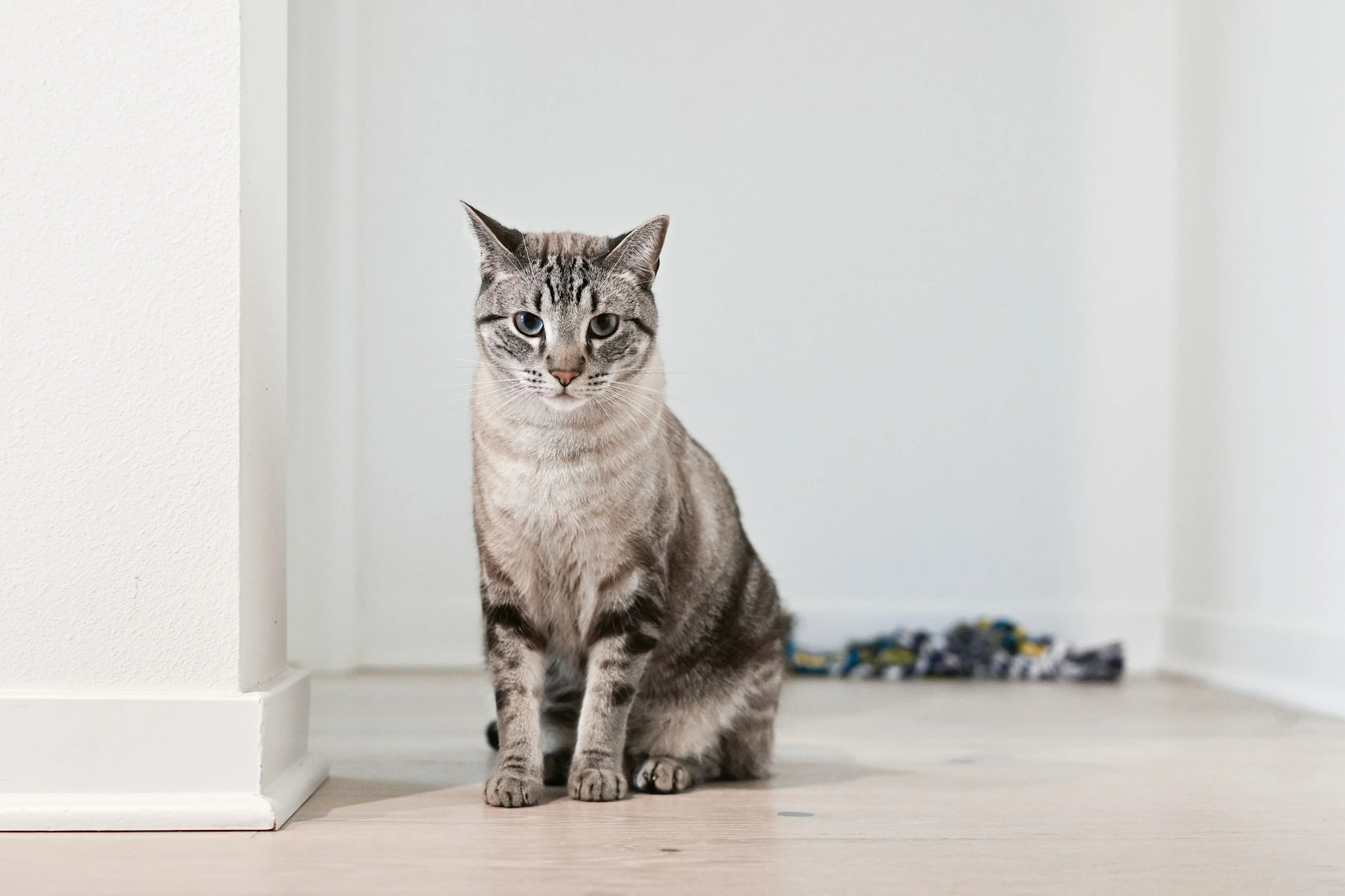


Whether your feline friend is a grazer or a mealtime enthusiast, establishing a consistent cat feeding schedule is one of the best ways to support her health. At Montecito Animal Clinic in Pleasant Hill, CA, we help cat parents find the right feeding rhythm, portion sizes, and food types to keep their kitties happy and healthy at every stage of life.
Cats thrive on routine—and their digestive systems do, too. With the right approach, you can reduce picky behavior, improve digestion, and even prevent obesity or disease. Here’s how to build a feeding schedule that works for both you and your feline pal.
Why Feeding Schedules Matter for Cats
Cats are creatures of habit. Establishing a cat feeding schedule not only helps regulate their weight, but also provides predictability that supports mental well-being. Unlike free-feeding (leaving food out all day), scheduled meals give you better control over:
- Nutritional intake
- Weight management
- Early detection of illness (changes in appetite are easier to spot)
- Bonding time between you and your kitty
At our Pleasant Hill veterinary clinic, we often recommend meal schedules for both kittens and adult cats to encourage healthy eating behaviors from the start.
Best Times to Feed Your Cat
Wondering about the best times to feed your cat? The ideal schedule depends on your lifestyle and your cat’s age, but most adult cats do well with two meals a day—one in the morning and one in the evening.
Here’s a simple breakdown:
- Kittens (<6 months): 3–4 meals per day
- Adult cats (1–7 years): 2 meals per day (12 hours apart)
- Senior cats (7+ years): 2 smaller meals, or 3 small meals for easier digestion
If your schedule allows, stick to consistent mealtimes each day. Cats appreciate the predictability, and it can even reduce stress-related behaviors like meowing or pacing.
How Much Should My Cat Eat?
The question of how much should my cat eat depends on several factors:
- Age and life stage
- Weight and activity level
- Indoor vs. outdoor lifestyle
- Underlying health conditions
- Type of food (wet, dry, or a combination)
Our veterinarians in Pleasant Hill, CA can help you calculate the right daily amount based on your cat’s body condition score and dietary needs. We also recommend using a measuring cup or kitchen scale to avoid accidental overfeeding.
Fun fact: A 10-pound cat only needs about 200–250 calories a day—just a few extra treats can tip the scale!
Feeding Senior Cats with Special Needs
As cats age, their metabolism and digestive function may change. That’s why feeding senior cats often requires adjustments to both diet and feeding schedule.
Tips for feeding older cats:
- Offer smaller, more frequent meals
- Use food with enhanced palatability and moisture
- Choose senior formulas with joint support and lower phosphorus
- Elevate food bowls to make eating more comfortable
- Monitor appetite and weight closely
Senior cats also benefit from more routine vet visits. Our Pleasant Hill animal hospital can check for dental issues, thyroid imbalances, or kidney disease—all of which can affect appetite.
Choosing the Right Feeding Setup
Your kitty’s dining area matters, too. Creating a peaceful, clean space can improve eating habits and reduce food-related stress.
Consider the following:
- Choose a quiet location away from litter boxes or noisy appliances
- Use shallow dishes to prevent whisker fatigue
- Keep multiple feeding stations in multi-cat households
- Clean bowls daily to prevent bacterial buildup
If your cat shares space with a canine friend, consider elevated feeding spots to prevent food theft and tension.
Wet Food, Dry Food, or Both?
The great debate: Should cats eat wet food, dry food, or a combination? The answer depends on your cat’s needs, health status, and your vet’s recommendations.
Wet food benefits:
- High moisture content supports urinary health
- Often more palatable for picky eaters
- Easier to chew for cats with dental issues
Dry food benefits:
- Convenient and cost-effective
- Can support dental health when part of a balanced diet
- Encourages grazing behavior in moderation
Many cats do well on a mix of both. Our veterinary clinic in Pleasant Hill can help you design a balanced diet that supports your cat’s long-term health.
FAQ About Cat Feeding Schedules
Should I leave food out all day for my cat?
Free-feeding can lead to overeating and weight gain. Scheduled meals are healthier for most adult cats.
What if my cat eats too fast?
Try slow-feeder bowls, puzzle feeders, or smaller, more frequent meals to slow down mealtime.
How can I switch my cat’s food?
Do it gradually over 7–10 days by mixing increasing amounts of the new food with the old. Monitor for digestive upset.
My cat is picky. What can I do?
Stick to a consistent schedule, avoid frequent food changes, and warm wet food slightly to boost aroma.
Do cats need treats?
Treats are fine in moderation (no more than 10% of daily calories). Choose low-calorie, high-protein options.
Visit Our Pleasant Hill Vet Clinic for Cat Nutrition Support
At Montecito Animal Clinic in Pleasant Hill, CA, we believe that every cat deserves a feeding plan that’s as unique as she is. Whether you’re feeding a playful kitten, a finicky adult, or a senior feline friend, our veterinarians can help you develop a healthy and realistic cat feeding schedule.
Looking for a knowledgeable and supportive veterinary clinic near me in Pleasant Hill? We’re here with personalized nutrition advice and compassionate care.
Your cat’s meals are more than food—they’re opportunities to support her health and happiness. Schedule a wellness visit today and let’s fine-tune her feeding routine together.
This article is for informational purposes only. Always consult your veterinarian before making changes to your cat’s diet or feeding routine.